// Ahrefs Podcast
"The 'SEO is dying' narrative is built on a measurement error. Panel data shows a 2.5% decline — not 25%. The entire panic is based on people guessing their traffic instead of measuring it.
Organic search traffic declined approximately 2.5% in 2024-2025 according to Similarweb panel data covering 40,000 major US sites. This directly contradicts the widely cited 25% decline figures that have fueled the "SEO is dying" narrative across the industry.
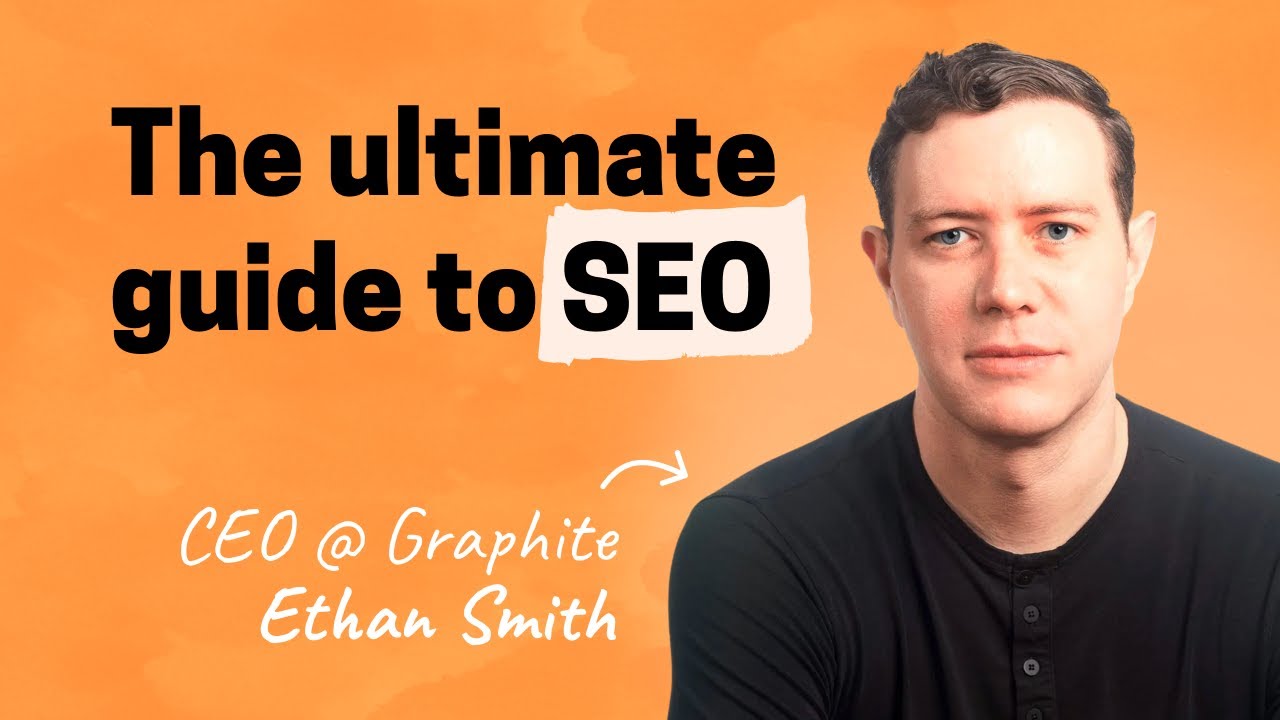
In this conversation with Ahrefs CMO Tim Soulo, Graphite CEO Ethan Smith breaks down why the panic is overblown. The core problem: most decline claims rely on self-reported survey data — people estimating their traffic rather than measuring it. When you use panel-based measurement across tens of thousands of real sites, the picture looks fundamentally different.
The episode also explores how AI is changing the mechanics of search visibility without destroying it. AI systems distribute visibility beyond traditional top rankings, drawing from multiple citations and core training signals. This makes the landscape noisier, but it does not mean search is dying — it means search is evolving.
"The 'SEO is declining because AI is rising' narrative assumes a false zero-sum relationship — the same mistake the industry made with apps versus web."
Ethan Smith, CEO of Graphite
"AI introduces new user behaviors and changes how visibility works, rather than simply replacing search."
Ethan Smith, CEO of Graphite
Get our latest SEO and AEO research delivered weekly.
SubscribeTim Soulo0:00
Today we're doing SEO Necromancy — resurrecting search from the dead. My guest is Ethan Smith, CEO of Graphite, and we're going to debunk the biggest myths in the SEO industry with actual data.
Ethan Smith0:30
Thanks Tim. The narrative right now is that SEO is dying because AI is rising. It sounds compelling, but it's wrong. And the reason it's wrong is that the data being cited is fundamentally flawed.
Tim Soulo5:00
Let's start with the big claim — that organic traffic has dropped 25%. Where does that number come from?
Ethan Smith5:25
It comes from self-reported survey data. Someone sends a survey to marketers asking "has your organic traffic changed?" and people estimate. They don't measure — they guess. And when the narrative in every LinkedIn post and industry blog says SEO is dying, people tend to report declines whether or not they actually happened. It's confirmation bias baked into the methodology.
Tim Soulo15:00
So what does the real data show?
Ethan Smith15:20
We looked at panel data from Similarweb covering 40,000 major US sites. This is actual traffic measurement, not surveys. Organic traffic declined approximately 2.5% in 2024-2025. That's it. Not 25%. Two and a half percent. The difference between the survey data and the panel data is nearly 10x. The "SEO is dead" narrative is built on a measurement error.
Tim Soulo25:00
Can you explain why panel data is more reliable?
Ethan Smith25:30
Panel data measures what actually happens — real visits to real sites. Similarweb tracks browsing behavior across a massive sample, then extrapolates to the full internet. Self-reported data measures what people think happened. And humans are terrible at estimating changes in complex metrics. When you ask someone "did your organic traffic go up or down?" they're recalling a feeling, not reading a dashboard. The two methodologies produce completely different results, and the panel data is the one that reflects reality.
Tim Soulo35:00
OK so organic traffic is mostly flat. But AI is clearly growing. What's actually happening?
Ethan Smith35:25
AI is introducing new user behaviors and changing how visibility works. It's not replacing search — it's adding a new layer. Think about it: when someone asks ChatGPT a question and it cites your website, that's incremental traffic you didn't have before. It's not stealing from Google — it's a new channel. The pie is getting bigger. The "AI kills SEO" narrative assumes a zero-sum relationship, and that's the same mistake the industry made when they said mobile apps would kill the web.
Ethan Smith42:00
The really interesting change is in how visibility gets distributed. In traditional search, ranking #1 gets 30% of clicks. In AI responses, visibility is distributed across multiple citations. The AI might cite 5-6 sources in a single answer. So the game isn't about being #1 anymore — it's about being one of the sources the AI trusts enough to cite. That's a fundamentally different optimization target.
Tim Soulo45:00
So rankings become noisier?
Ethan Smith45:15
Exactly. AI systems draw from multiple citations and core training signals. Your content doesn't need to rank #1 on Google to get cited by ChatGPT. It needs to be authoritative, well-structured, and comprehensive. Rankings still matter for traditional search, but AI citation is a parallel system with different rules. Smart companies are optimizing for both.
Tim Soulo55:00
What should SEOs actually do with this information?
Ethan Smith55:20
First, stop panicking. SEO isn't dying — a 2.5% decline is noise, not a trend. Second, start measuring your AI visibility. Ask LLMs the questions your customers ask and see if you show up. Third, structure your content for citation — FAQ sections, answer-first headings, comprehensive topic coverage. And fourth, invest in building the kind of authority that both search engines and AI systems reward. The playbook isn't that different from good SEO — it's just being applied to a new distribution channel.
Tim Soulo58:00
Ethan, this has been incredibly clarifying. Thanks for bringing real data to a conversation that desperately needed it.
Ethan Smith58:15
Thanks Tim. The data is out there — people just need to look at it instead of reading surveys. All of our research is on Five Percent for anyone who wants to dig deeper.